
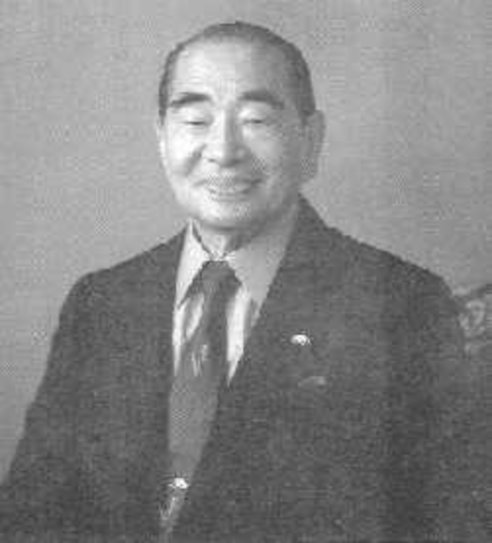
Tokujiro Namikoshi
Tokujiro Namikoshi laid the foundations of modern shiatsu in the early 20th century. Initially naming his method Appaku, he later adopted the term "Shiatsu" to describe his precise finger-pressure technique, drawing inspiration from traditional Eastern bodywork like Tui Na and Anma. After establishing his first clinic in 1925, he helped shiatsu survive during the American post-war occupation—a time when many cultural arts were suppressed.
His approach gained global recognition: in 1957, Japan officially recognised shiatsu as a distinct therapy, and Namikoshi went on to treat high-profile figures such as Marilyn Monroe and Muhammad Ali. His style mirrors contemporary acupressure—focused on point activation for physical benefits—rather than incorporating deeper energetic methods. Today, his legacy lives on through the Japan Shiatsu College and practitioners around the world.

Shizuto Masunaga
A student of Namikoshi, Shizuto Masunaga founded Zen Shiatsu, the style most commonly practiced in the West today. He enriched shiatsu with Traditional Chinese Medicine, Western psychology, and an intuitive, mindful presence—creating a holistic healing method. Masunaga expanded the meridian system, making it more diagnostic and clinically useful.
In 1977, he published Zen Shiatsu: How to Harmonise Yin & Yang for Better Health, introducing his approach internationally. He also established the Iokai Shiatsu Center in Tokyo, where he trained many Western students including Pauline Sasaki, Cliff Andrews, and Michael Rose. The Shiatsu Society UK was later founded in 1981.
I blend insights from both traditions:
In practice today - I work intuitively with meridians and pressure points, balancing kyo-jitsu (deficiency/excess) to support deep healing and relaxation.
Whether you're drawn to the precise lineage of Namikoshi or the mindful, energy-based depth of Masunaga, you can explore both with me.
Stay updated with wellness tips, special offers, and the latest news from my practice.