Shiatsu is a powerful Japanese form of bodywork that uses gentle, focused touch to support your body's natural ability to rebalance and heal.
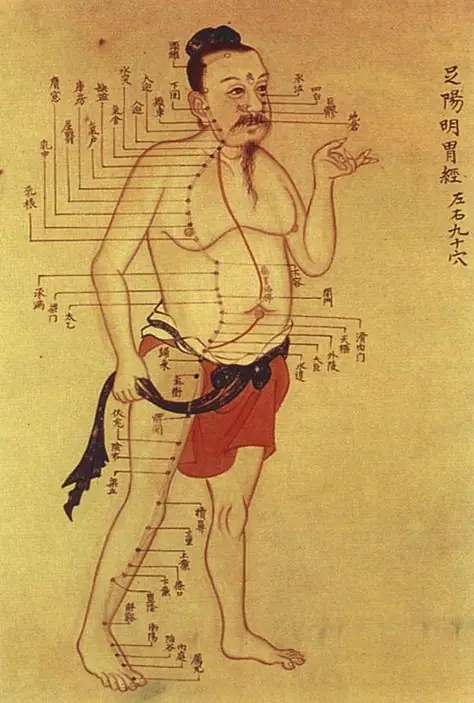
It's often compared to acupuncture or massage, but neither comparison quite fits. Like acupuncture, shiatsu works with the body's energy pathways (meridians) and pressure points (tsubos), but instead of needles, it uses touch. Like massage, it involves hands, thumbs, and palms to apply pressure—but shiatsu also works with the flow of energy, or "chi," in a way that is unique to this tradition.
The meridians act like the body's energetic circulatory system, and the tsubos are places where these pathways are especially accessible. There are 12 major meridians, each linked to an organ and its related physical, emotional, and mental patterns. For example, the Gall Bladder meridian is associated with decision-making, anger, neck or shoulder tension, and headaches—seemingly unrelated issues that can have a deeper connection.
The core idea behind holistic medicine is to work through symptoms to uncover and address their root cause. By doing so, you're freed from recurring issues instead of relying on treatments or medications that only manage symptoms.
Shiatsu can support a wide range of physical, emotional, and mental concerns. Many people seek it for back pain, stiffness, or reduced mobility. Others come for emotional or stress-related issues like anxiety, worry, or trouble sleeping.
Often, symptoms that seem unrelated—like headaches, digestive discomfort, or low energy—share a common root. Shiatsu works to address both the immediate discomfort and the underlying imbalances contributing to it.
People I've worked with have found shiatsu helpful for:
By treating the root cause, shiatsu doesn't just ease symptoms—it helps create a sense of balance and wellbeing that can last long beyond the session.
Shiatsu is usually given while you lie face up or face down on a comfortable futon (or in a chair if mobility is an issue). You remain fully clothed throughout—loose, comfortable clothing is ideal (long sleeves and trousers recommended). No oils or lotions are used.
A session lasts about an hour and includes a short discussion at the beginning and end.
The touch in shiatsu is gentle yet effective—not forceful or painful. You don't need to do anything except relax and let go.
Shiatsu is not painful or uncomfortable—you are not required to suffer!
Book your first session today and see how this gentle yet powerful therapy can help you relax, rebalance, and reconnect.